In a bold move to peel back the veil on international influence in American higher education, the U.S. Department of Education has unveiled a cutting-edge federal portal designed to expose hidden foreign funding in universities, aligning with President Trump’s aggressive push for transparency and accountability. Launching January 2, 2026, this new foreign funding reporting portal promises to revolutionize how colleges and universities disclose gifts and contracts from abroad, mandating submissions for any deal exceeding $250,000 under Section 117 of the Higher Education Act.
For students, faculty, and taxpayers alike, this development signals a crackdown on undisclosed streams from nations like China and Qatar, which have funneled billions into U.S. campuses—often linked to research biases, campus activism, and intellectual property risks. As Trump ramps up enforcement through executive orders and investigations into elite institutions like Harvard and Penn, the portal emerges as a cornerstone of his administration’s strategy to safeguard academic integrity and national security.
Whether you’re a concerned parent weighing college choices or a policymaker tracking global education flows, understanding this portal’s role in targeting hidden foreign funding in universities is crucial—especially as noncompliance could jeopardize billions in federal aid. Let’s dive into the details, from eligibility for reporting to the broader implications for higher ed in 2026 and beyond.
The Rise of Hidden Foreign Funding in U.S. Universities
Over the past decade, hidden foreign funding in universities has ballooned into a $10 billion shadow economy, with countries like China, Saudi Arabia, and Qatar emerging as top donors—often channeling funds through opaque intermediaries to influence curricula, research agendas, and campus discourse. A 2024 Senate report revealed that top schools like Texas A&M and Carnegie Mellon received over $1 billion from foreign entities without full disclosure, raising alarms about espionage, biased scholarships, and suppression of free speech on sensitive topics like Taiwan or Uyghur rights. These infusions, while boosting endowments and facilities, have sparked bipartisan concerns: Democrats decry antisemitism tied to Qatari cash, while Republicans flag Chinese tech transfers that could undermine U.S. innovation.
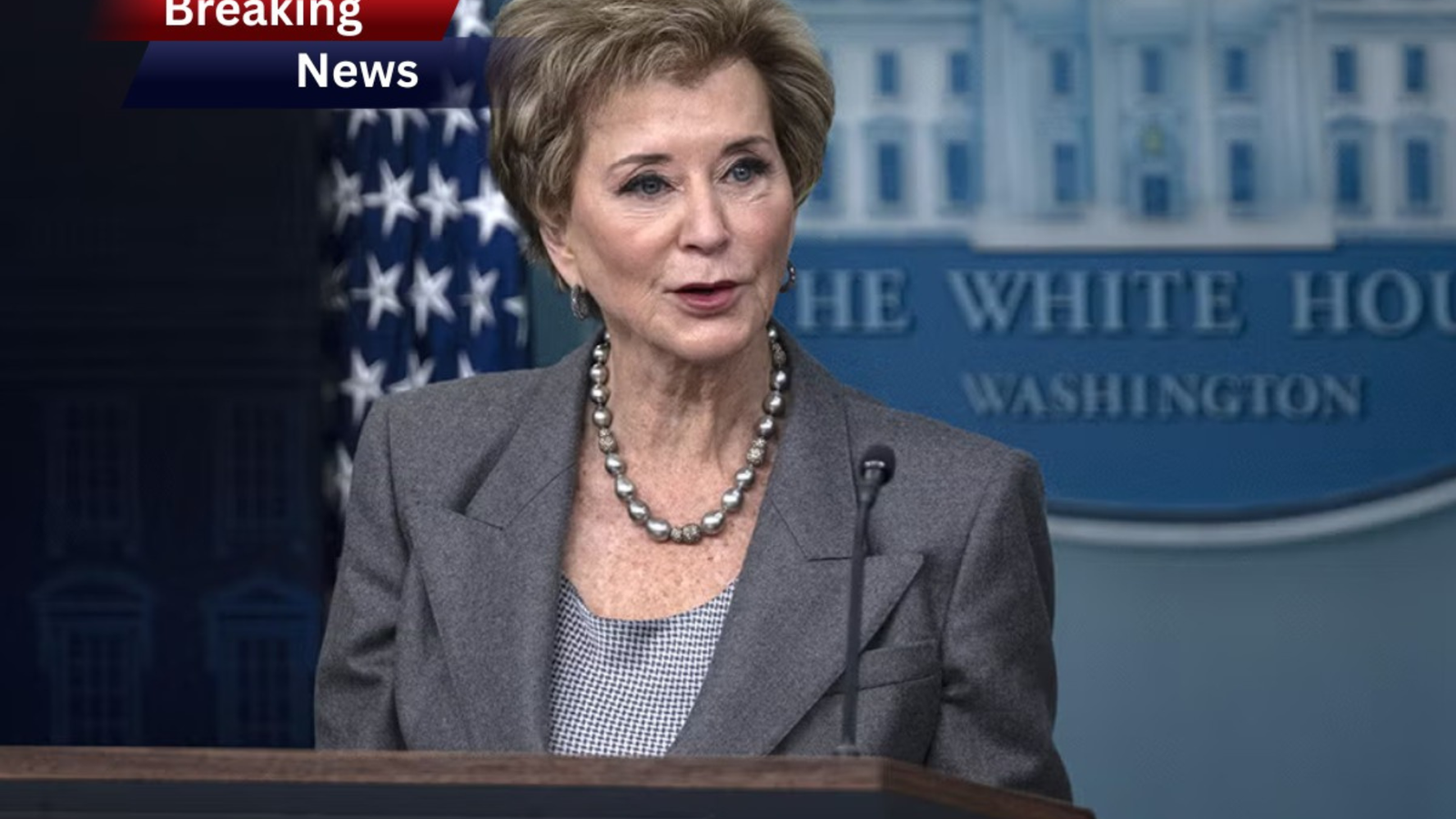
Enter Trump’s ramped-up enforcement: Since his April 2025 executive order, “Transparency Regarding Foreign Influence at American Universities,” the administration has launched probes into 19 institutions, withholding funds from non-reporters and fining violators up to $500,000. The order mandates “robust enforcement” of Section 117, reversing Biden-era leniency that allowed vague filings. Now, with the new federal portal, universities face streamlined yet stringent reporting—bulk uploads, visual dashboards, and audit trails to make hidden foreign funding in universities a thing of the past. As Education Secretary Linda McMahon stated, this tool “ends the secrecy,” protecting students from exploitation and ensuring taxpayer dollars don’t subsidize foreign agendas. For higher ed leaders, it’s a wake-up call: Disclose or divest.
How the New Federal Portal Works to Target Hidden Funding
The new federal portal, dubbed ForeignFundingHigherEd.gov, is more than a filing form—it’s a fortified digital fortress engineered to unearth and display hidden foreign funding in universities with unprecedented clarity. Launching January 2, 2026, after rigorous beta testing with schools like UT Austin and the University of Arizona, the platform allows bulk submissions of gifts and contracts over $250,000, replacing clunky individual entries with drag-and-drop efficiency. Key features include executive summaries with interactive visualizations—think pie charts of donor nations and heat maps of fund flows—to empower public scrutiny and congressional oversight.
Under Trump’s enforcement ramp-up, the portal integrates with AI-driven red flags: Algorithms scan for patterns like repeated small donations masking large influences or ties to sanctioned entities, triggering automatic audits. Universities must report annually by April 30, detailing source countries, purposes (e.g., research grants vs. scholarships), and any equity stakes—noncompliance risks federal aid cuts under the order’s “withhold and revoke” clause. For donors, it’s a deterrent: Opaque funding from state-linked entities like China’s Thousand Talents Program now faces daylight, potentially chilling billions in inflows. As McMahon noted, “This isn’t about stifling partnerships—it’s about safeguarding America’s intellectual sovereignty.” Early adopters report 40% faster filings, but the real test comes in 2026: Will it expose the shadows or spark a donor exodus?
Trump’s Enforcement Ramp-Up: Investigations and Consequences
President Trump’s enforcement ramp-up on hidden foreign funding in universities isn’t just rhetoric—it’s a multi-pronged assault blending executive muscle with legislative leverage, targeting noncompliant schools with swift penalties. Since April’s order, the Education Department has initiated four high-profile investigations into Harvard, Penn, Michigan, and UC Berkeley for “inaccurate and untimely disclosures,” freezing $500 million in grants pending audits. The “Compact for Academic Excellence,” sent to nine elite universities in October 2025, dangles preferential funding for pledges like tuition freezes and ideological balance—non-signers face “foregone benefits,” per White House memos.
Consequences bite: Violators could lose Title IV aid (Pell Grants, loans), worth $150 billion yearly, or face False Claims Act suits with treble damages. Trump’s playbook echoes his first term’s 19 probes, but 2025 amps it with AI analytics and interagency task forces involving State and Justice. Critics like the ACLU warn of “chilling effects” on global partnerships, but supporters hail it as overdue—U.S. universities received $6.6 billion from foreign sources in 2023 alone, per DOE data. As enforcement intensifies, the portal becomes the linchpin: Transparent filings avert crises, while holdouts risk a funding famine.
Implications for Universities, Students, and National Security
This federal portal’s launch amid Trump’s enforcement ramp-up ripples far beyond filing forms, reshaping university finances, campus dynamics, and U.S. innovation edges. For schools, it’s a compliance crunch: Elite Ivies like Penn, under probe for Qatari ties exceeding $1 billion undisclosed, must overhaul reporting or forfeit federal spigots—potentially slashing endowments reliant on 10–15% foreign cash. Smaller publics in red states may gain from “compact” perks, but overall, expect donor diversification and curriculum tweaks to appease watchdogs.
Students face mixed bags: Safer campuses from reduced foreign sway on sensitive research (e.g., AI ethics skewed by Huawei grants), but pricier tuitions if aid dries up—Pell-dependent schools could hike fees 5–10%. Nationally, it bolsters security: Exposing hidden foreign funding in universities curtails IP theft (China-linked cases up 30% per FBI) and counters influence ops, aligning with Trump’s “America First” academia. Yet, global scholars decry isolation—U.S. higher ed’s 25% international enrollment could dip, per IIE forecasts. The portal’s success? Measured in disclosed dollars and deterred deals, fortifying ivory towers against foreign tempests.
Conclusion
The new federal portal targeting hidden foreign funding in universities, launching January 2, 2026, embodies President Trump’s enforcement ramp-up—a digital dawn designed to illuminate billions in shadowy international gifts, contracts, and influences that have long evaded scrutiny. From bulk-upload efficiencies to AI-flagged anomalies, this tool enforces Section 117 with unprecedented precision, backed by probes, compacts, and aid threats that could reshape higher ed’s global ties.
For universities, it’s a mandate to disclose or divest; for students, a shield against exploitation; for the nation, a safeguard of intellectual sovereignty. As 2025 fades, this initiative isn’t just about numbers—it’s about reclaiming America’s academic edge from foreign overreach. Stay informed via ed.gov, advocate for balanced oversight, and watch as transparency transforms the tower: Hidden no more, funding flows freely under the light. In the pursuit of knowledge, after all, the first principle is truth—undimmed and uncompromised.