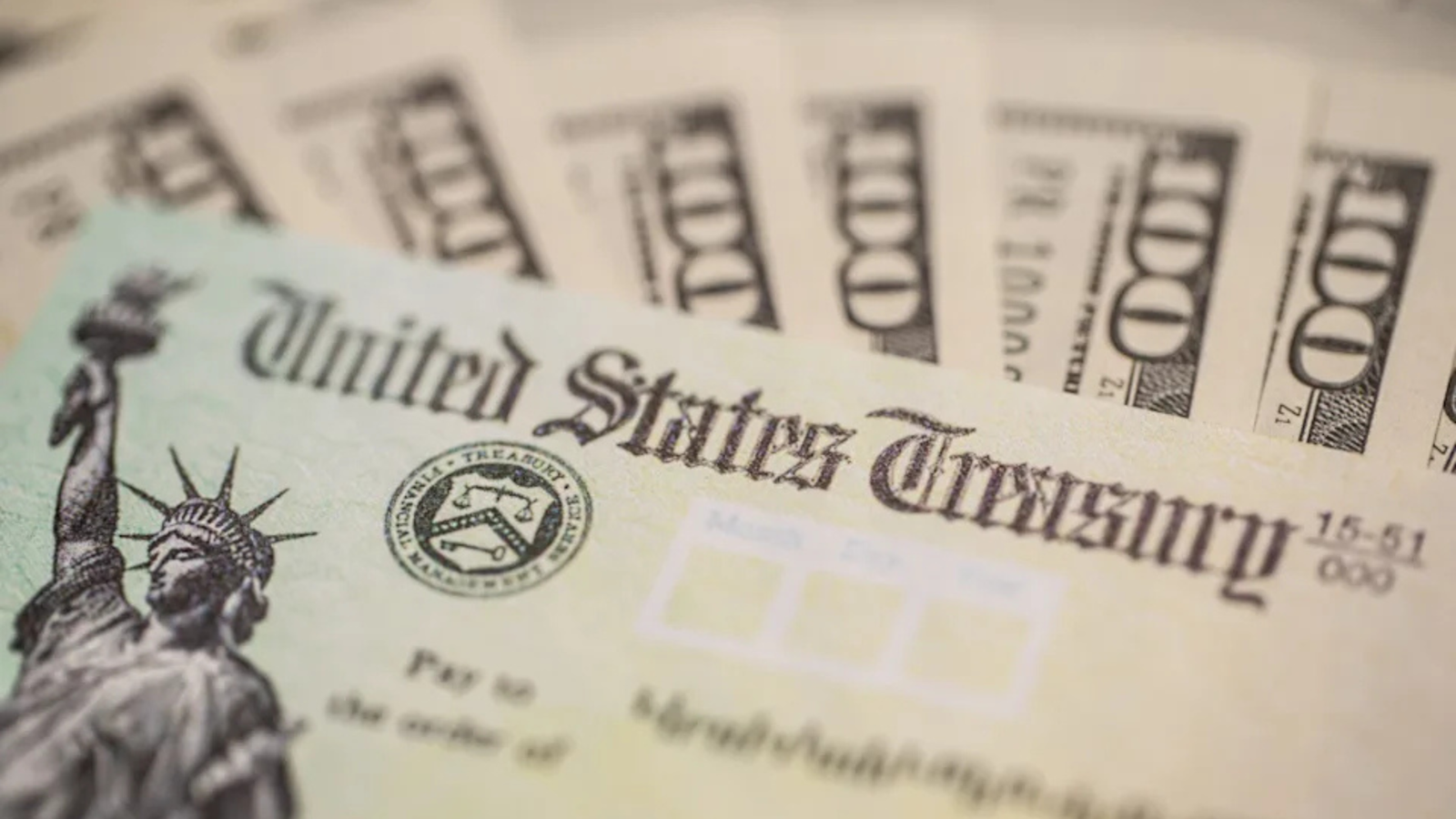
When the government mails out billions in direct payments, the question on-the-ground impact is swift and visible: retail sales spike, credit-card balances drop, and small businesses suddenly see lines out the door.
Yet the longer-term effects of stimulus checks on the economy remain hotly debated among economists, politicians, and everyday Americans. From the three COVID-era rounds ($1,200, $600, $1,400) to the dozens of state-level rebates in 2024–2025 (Colorado’s $1,130 TABOR, New York’s $400 inflation refund), history now offers a clear playbook on how stimulus checks affect the economy — who spends, who saves, how inflation responds, and whether the juice is worth the squeeze.
In this deep dive into the real economic impact of stimulus checks, we’ll unpack peer-reviewed studies, Federal Reserve data, and real-world examples from 2020 through 2025 to separate myth from measurable reality. Whether you’re curious if stimulus checks cause inflation, how much actually reaches Main Street, or why some economists call them the most effective recession-fighting tool ever invented, the numbers tell a surprisingly consistent story.
Immediate Boost: The Multiplier Effect in Action
Every major study on stimulus checks and economic growth shows the same pattern: within 30–90 days of deposit, consumer spending jumps sharply, especially among lower- and middle-income households.
Key findings across rounds:
- The 2021 $1,400 checks generated an estimated $0.90–$1.20 in GDP for every $1 spent (Fed of San Francisco, 2023).
- Retail sales rose 10.7% month-over-month in March 2021 — the second-largest jump ever recorded — directly tied to the third stimulus round.
- 2024–2025 state rebates (average $500–$1,200) produced localized spending surges of 4–8% in grocery, restaurant, and durable goods categories, according to JPMorgan Chase Institute data.
- Low-income recipients (under $35k AGI) spent 40–60% within the first month, compared with just 10–20% for households earning over $100k (NBER 2024).
This “fiscal multiplier” is why stimulus checks are considered one of the fastest ways to stabilize demand during downturns — money hits bank accounts in weeks, not the years required for infrastructure projects.
Inflation Debate: Did Stimulus Checks Cause Price Spikes?
The #1 criticism of stimulus checks is that they fuel inflation. The evidence is nuanced, not black-and-white.
What the data actually shows:
- The 2021–2022 inflation surge (peaking at 9.1%) was driven primarily by supply-chain bottlenecks, energy shocks, and housing shortages — not demand alone (Federal Reserve Bank of St. Louis, 2024).
- Economists at the San Francisco Fed estimate the three COVID stimulus rounds added only 0.3–0.8 percentage points to core inflation — meaningful but far from the main culprit.
- State-level rebates in 2024–2025 (totaling ~$28 billion) produced no measurable national inflationary pressure because they were small relative to a $28 trillion economy.
- When stimulus checks are paired with excess savings (as in 2020–2021), households often pay down debt first — U.S. credit-card balances fell $83 billion in Q2 2021, the largest quarterly drop ever.
Bottom line: stimulus checks can contribute to inflation in an already-hot economy, but they are rarely the primary driver.
The Savings vs. Spending Split: Who Does What
Not every dollar gets spent immediately — and that’s often a good thing.
| Income Group | % Spent Within 3 Months | % Saved or Debt Paydown |
|---|---|---|
| Bottom 20% | 55–65% | 35–45% |
| Middle 40–60% | 35–45% | 55–65% |
| Top 20% | 10–20% | 80–90% |
(Source: Opportunity Insights Economic Tracker, 2020–2025)
This pattern explains why stimulus checks simultaneously boost retail while strengthening household balance sheets — a rare “win-win” in fiscal policy.
Long-Term Ripple Effects Most People Miss
Beyond the immediate headlines, stimulus checks affect the economy in subtler, lasting ways:
- Prevented 12–18 million people from falling into poverty in 2021 (Columbia University Poverty Tracker).
- Reduced food insecurity by 42% and kept 5.8 million children out of poverty (U.S. Census Bureau, 2022).
- Small-business revenue in low-income zip codes rose 18–25% in the three months following each federal round (Yale/Yelp study, 2024).
- Credit scores for recipients under $50k AGI rose an average of 21 points within a year of receiving payments (TransUnion 2025 report).
These “second-order” benefits often outweigh the raw GDP numbers when measuring true economic health.
The Verdict: Do Stimulus Checks Actually Work?
The overwhelming consensus from Federal Reserve, IMF, and academic research is clear: when timed well and targeted to lower- and middle-income households, stimulus checks are among the most effective and fastest-acting fiscal tools available.
- Cost per job-year saved: ~$30,000–$50,000 (cheaper than infrastructure or corporate tax cuts).
- Speed: 80–90% of funds deployed within 60 days vs. 2–5 years for traditional spending.
- Equity: disproportionately helps women, minorities, and rural communities who spend locally.
The main risks — inflation and deficit impact — are real but manageable when checks are modest ($1,000–$2,000 range) and paired with supply-side improvements.
Bottom Line: Stimulus Checks Remain a Proven Economic Shock Absorber
History from 2020 through 2025 proves that the effects of stimulus checks on the economy are overwhelmingly positive when the goal is to stop a downturn, protect vulnerable households, and keep money circulating on Main Street. They aren’t magic, they don’t solve structural problems, and they can overheat an already-booming economy — but as a rapid-response tool, few policies match their speed, precision, and measurable results.
Whether the next round comes from Washington or your state capital, one thing is certain: when stimulus checks land, the economic ripple starts immediately — and most of it stays right here at home.